Cultural Landscapes of DC
What do Langston Golf Course, Kalorama Park and Archaeological Site, and Gallaudet College Historic District all have in common?
They can all be considered cultural landscapes within Washington, DC. This tour will show that many historic sites – including historic landmarks and historic districts – within the District can be classified as cultural landscapes. The definition of a cultural landscape is broad and has been interpreted differently by preservationists. The National Park Service (NPS) defines a cultural landscape as a geographic area that has been shaped by human activity and that reflects cultural values and the historical development of a society. These landscapes do not necessarily have to incorporate natural environments, but oftentimes do. They can be spaces where nature and culture interact, such as a human-made structure that influences or alters the landscape, which one would see in a designed landscape, like a park or garden.
In National Register Bulletin 18, How to Evaluate and Nominate Designed Historic Landscapes, NPS lists various types of designed landscapes. They include: small residential grounds, estate grounds, botanical gardens, zoological gardens and parks, church yards and cemeteries, monuments and memorial grounds, plazas and squares, campus and institutional grounds, city planning, planned communities, commercial and industrial grounds, battlefield parks, outdoor recreation spaces, parkways and trails, fountains, and more.
NPS lists 13 “landscape characteristics” that one might see within a cultural landscape. The characteristics are: natural systems and features, spatial organization, land use, circulation, cultural traditions, topography, vegetation, cluster arrangement, buildings and structures, views and vistas, constructed water features, archeological sites, and small-scale features.
This tour includes 30 historic sites within the District that fit into the above cultural landscape types, with a particular focus on designed historic landscapes. Starting with Anacostia Park and ending with Woodlawn Cemetery, this tour covers many different landscapes – from monuments and campus grounds to parks, zoos, archaeological sites, and forts. Additionally, these landscapes have numerous examples of characteristics, as promulgated by NPS. For example, one tour stop (Capitol Grounds) has many of the characteristics found within a cultural landscape, such as the grounds’ spatial organization and relationship with the National Mall, the circulation of the pedestrian paths, the topography of Capitol Hill, the vegetation of the grounds’ trees and plants, and so on.
While this tour covers many cultural landscapes within Washington, DC, it does not include every historic site that may meet the above definition. Rather, this tour provides Washingtonians with a glimpse of the cultural landscapes they pass on a daily basis and invites them to think about the built environment and historic sites in a new way. It stands as a reminder that DC is full of spaces where humans and nature interact, and that evidence of history and culture is visible in many landscape features. As you go out and explore the city, is there a cultural landscape type or landscape characteristic that you think is missing from the above definition; is there a historic site you would add to this tour?
The Cultural Landscape Foundation. “Home.” The Cultural Landscape Foundation, 2024. https://www.tclf.org/.
Keller, J. Timothy Keller, ASLA, and Genevieve P. Keller. “National Register Bulletin 18, How to Evaluate and Nominate Designed Historic Landscapes.” National Park Service. https://www.nps.gov/subjects/nationalregister/upload/NRB18-Complete.pdf.
National Park Service, “Cultural Landscapes 101,” National Park Service, 2020. https://www.nps.gov/articles/cultural-landscapes-101.htm.
Sites 31
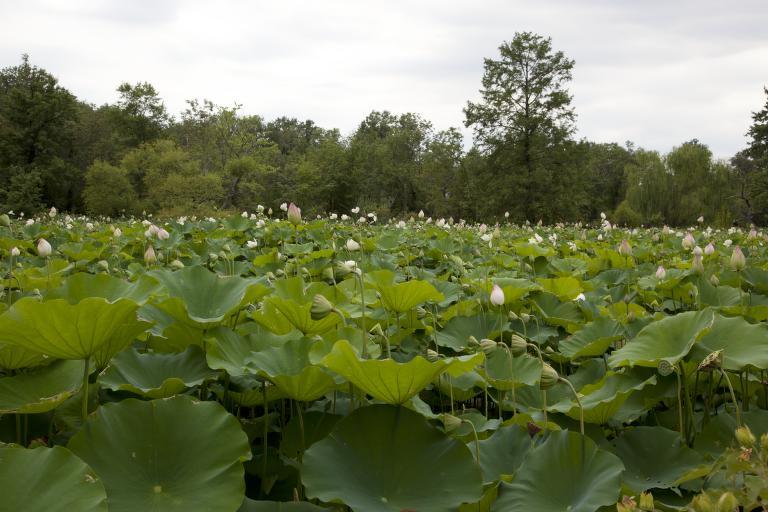
Anacostia Park: Deeply rooted in history, this park has seen many times and many lives.
Anacostia Park’s history is steeped in the relationship between the land and the people that shape it. From the Native peoples, such as the Nacotchtanks who lived for more than 10,000 years along the…
Barry Farm Dwellings: In the 1960s, residents of the Barry Farm Dwellings in Anacostia created a hub of political activism through their homes, neighbors, and networks to advocate for their community’s needs.
“You control our lives…[Y]ou sit up here on the Hill and talk about building subways and bridges and parking lots for the tourists and people from suburbia…It’s time to talk about the people who live here. It’s time to treat us like human beings.” Etta Mae Horn addressing Congress, 1969.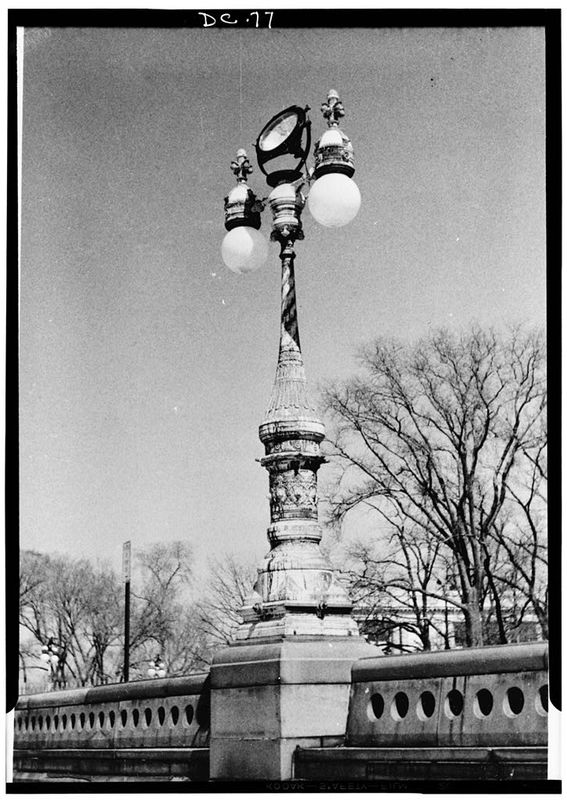
Capitol Grounds: The Capitol Grounds is a park-like setting for the nation's U.S. Capitol Building, offering a picturesque counterpoint to the building's formal architecture.
The Capitol Grounds were considered by landscape architect Frederick Law Olmsted, Sr., who was commissioned to plan and design the U.S. Capitol Building’s grounds, to be just as important as the…
C&O Canal National Historical Park: The Chesapeake and Ohio Canal is an excellent and well-preserved example of 19th-century canal technology.
The C&O Canal Company was chartered in 1825, the same year as the opening of the Erie Canal. The groundbreaking was celebrated by President John Quincy Adams at Little Falls in 1828. The canal was…
Chevy Chase Playground and Field House: Despite the playground's equipment and paving having been replaced, the property remains one of the earliest extant city playgrounds and park buildings in DC, considered in its time a model for other Depression-era parks.
In 1921, a United Citizens Playground Committee completed a study and recommended that the District Commissioners adopt a system of equitable distribution of playgrounds around the city, urging the…
Civil War Fort Sites and Fort Circle Park Historic District: These sites constitute some 1,300 acres of federal park land and compose a valuable cultural resource.
As the seat of the Union at the intersection of the North and the South, Washington D.C. played a pivotal role in the Civil War. Throughout the progression of the conflict, D.C. constructed numerous…
Columbus Fountain and Plaza: This fountain and plaza mark the entrance to Union Station.
The Columbus Fountain tells the story of the explorer’s journey from Europe to the Americas in 1492. With multiple symbolic figures throughout its design, the fountain takes center stage at its…
Dumbarton Oaks: The house's owners transformed the site into a premier research facility.
Purchased in 1920 by Mildred Barnes Bliss and Robert Woods Bliss, Dumbarton Oaks has expanded and transformed over time from a private home to a key research center within Washington, DC. The house…
Fort Dupont: Today, Fort Dupont Park is one of eight Civil War Defenses of Washington sites managed by National Capital Parks-East.
Fort Dupont had six sides, each 100 feet long, protected by a deep moat and trees felled side-by-side with branches pointing outward. It was named for Flag Officer Samuel F. Dupont, who commanded the…
Franciscan Monastery and Memorial Church of the Holy Land: The Franciscan Monastery Complex, atop Mount Saint Sepulcher, features many replicas of holy sites.
The Franciscan Monastery Complex is located on a hill named Mount Saint Sepulcher in Brookland. The Byzantine-style buff colored brick church, designed by Italian architect Aristides Leonori and built…
Gallaudet College Historic District: The Gallaudet College Historic District includes most of the original campus of the only university in the U.S. dedicated to the education of the deaf.
Gallaudet University, founded in 1864 as the National Deaf-Mute College, has been since its inception the only institution of higher learning in the United States devoted specifically to the education…
Kalorama Park and Archaeological Site: This park in Kalorama also includes an archaeological site commemorated as part of the Underground Railroad.
The three-acre Kalorama Park contains the Kalorama Playground Archaeological Site, also known as the John Little House. The site represents the remains of John Little’s home and farm and is the place…
Kenilworth Aquatic Gardens: Even before their purchase by the National Park Service in 1938, the Kenilworth Aquatic Gardens have been an important site for botanical study since the 19th century.
Located in marshland on the eastern shore of the Anacostia River, the Kenilworth Aquatic Gardens contain important collections of water plants, fish, reptiles, and amphibians. The gardens are…
Langston Golf Course Historic District: Langston Golf Course represents desegregation of public golfing and recreational facilities.
Opened in June 1939, the eighteen-hole golf course was named for John Mercer Langston (1829-1897), who was the first dean of the Howard University School of Law, the first president of Virginia Normal…
Meridian Hill Park (Malcolm X Park): This historic designed landscape stretches between the neighborhoods of Columbia Heights and Adams Morgan.
Meridian Hill Park, also known today as Malcolm X Park following a 1969 speech by activist Angela Davis, is a distinguished example of landscape design. The hilly, twelve-acre park with its Beaux-Arts…
Montrose Park: Montrose Park occupies land once owned by ropemaking magnate Robert Parrott in the early 19th century.
Montrose Park, established by Congress in 1911, is located in the heights of Georgetown. The property is managed by the National Park Service and is comprised of 15.69 acres that were historically…
National Arboretum Historic District: The National Arboretum celebrates the diverse plant life of the United States with a 446-acre center for nature research and preservation in the nation’s capital.
Although Congress passed a law authorizing the Secretary of Agriculture to establish a national arboretum in DC in 1927, more than three decades passed before the U.S. National Arboretum was open to…
National Zoological Park Historic District: Established in 1889, the National Zoo has occupied a picturesque spot in Rock Creek Valley for over a century.
The National Zoological Park was established by an Act of Congress in 1889. By 1900, the Zoo's size had increased significantly due to three successive additions, which were followed by additional…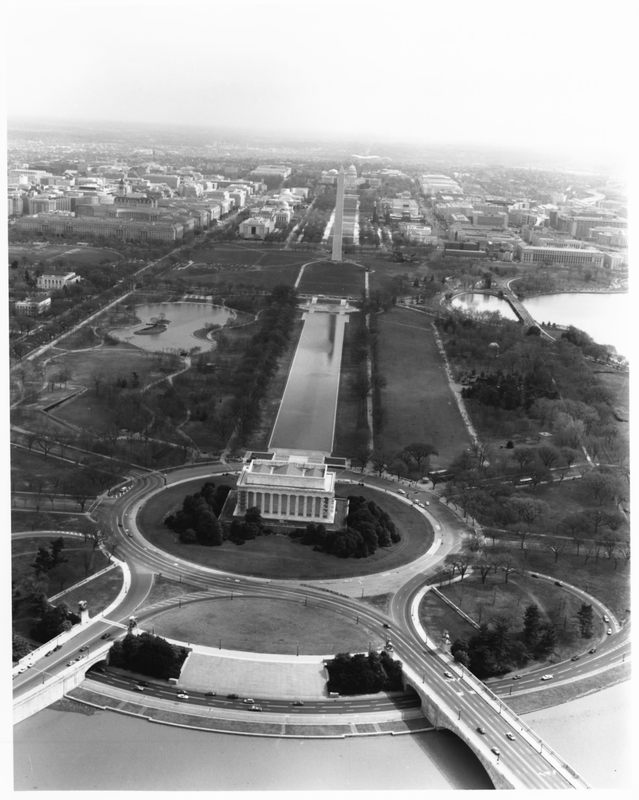
The Plan of the City of Washington (L’Enfant Plan; L’Enfant-McMillan Plan): The Plan of the City of Washington is the sole American example of a comprehensive Baroque city plan.
The plan defines the physical character of the national capital, through a symbolic and commemorative arrangement of buildings, structures, and views. The plan was intimately related to the…
The Potomac Gorge (Potomac Palisades): Over thousands of years, natural forces at work in the Potomac Gorge have created a deep, narrow valley.
The beauty of the Potomac Gorge was recognized from the city’s beginnings, and since the time of the McMillan Plan, it has been preserved in its natural state. Over thousands of years, natural forces…
Reservation 13 Archaeological Site: This archaeological site provides evidence and historic documentation of prehistoric communities existing in what would become DC.
The Reservation 13 Archaeological Site provides evidence and historic documentation of prehistoric communities existing in what would become DC, further supporting evidence found at other…
Rock Creek and Potomac Parkway Historic District: This historic landscape is composed of 19th century industrial structures, natural vegetation, and a major transportation artery of the city.
The Rock Creek and Potomac Parkway Historic District’s 180-acres runs along the gorge and rim of the lower Rock Creek Valley (south of the National Zoo), and includes a swath of land along the Potomac…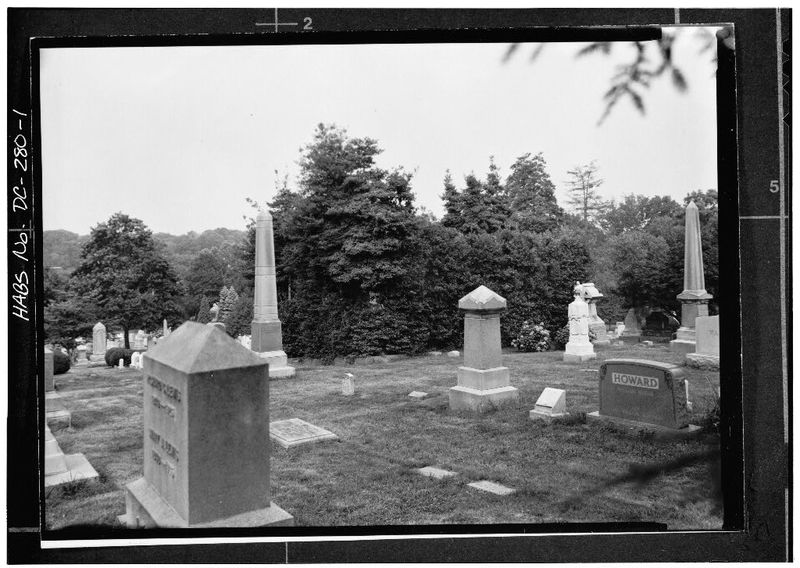
Rock Creek Church Yard and Cemetery: This large cemetery is the oldest public burial ground within the District of Columbia.
With graves dating back to the early 1770s, and pre-revolution burials, the Rock Creek Church Yard is a unique landscape in the District. With a variety of headstones, inscriptions, and decorative…
Saint Elizabeths Hospital Historic District: Saint Elizabeths is one of the nation’s earliest and most significant institutions for the treatment of mental illness.
Established largely through the efforts of Dorothea Dix, the leading mental health reformer of the 19th century, Saint Elizabeths Hospital was chartered by Congress in 1852 as the Government Hospital…
Theodore Roosevelt Island: In the 1930s, landscape architects transformed an island on the Potomac River from neglected, overgrown farmland into a memorial to the 26th president.
Theodore Roosevelt Island is located at the fall line in the Potomac River, where the rocky Piedmont Plateau meets the sandy soils of the Coastal Plain. The river flows to either side of the island in…
Tiber Island: This Modernist residential complex was an early part of the redevelopment of the Southwest Waterfront in the 1960s.
Designed by Keyes, Lethbridge and Condon and completed in 1965, Tiber Island was part of the nation’s first urban renewal project. As part of the project, Tiber Island was considered a model for the…
Tregaron (The Causeway): This Colonial Revival style estate is located on a landscaped, hilltop site above the Klingle Valley.
Tregaron (The Causeway), an estate designed in 1912 by Charles Adams Platt, is notable for its Colonial Revival design and landscaped grounds, as well as its former residents. Joseph Edward Davies and…
Tudor Place: One of Georgetown's finest mansions, Tudor Place maintains much of its original 19th-century appearance.
Tudor Place is among the foremost Federal-era mansions in the nation, designed by William Thornton, architect of the U.S. Capitol. Construction of the house began circa 1794, was completed circa 1815,…
Washington National Cathedral and Close Historic District: The enclosed grounds of Washington Cathedral hold landscaped gardens and prominent educational institutions.
The Washington National Cathedral has been a landmark of religious significance for over a century, and its surrounding structures date back to the early twentieth century. The Cathedral Close (an…
Washington Monument & Grounds Historic District: The Washington Monument and Grounds Historic District is locally and nationally significant for its historical and archeological importance in the D.C. landscape.
Constructed in two phases between 1848 and 1885, the Washington Monument stands as a memorial to America’s first president: George Washington. The surrounding historic district is located in the…
Woodlawn Cemetery: Established in 1895, this non-denominational, integrated cemetery was one of the most prestigious burying grounds for Black Washingtonians until the 1930s.
Woodlawn Cemetery is situated on a gently sloping plateau and is defined by hills, winding avenues, and diverse vegetation, as well as the panoramic views it offers of the District of Columbia's…Tour curated by: Claire Fergusson and DC Preservation League