Sports and Recreation in DC
Sports and recreation began to thrive in 19th-century Washington, DC, as more residents started joining clubs and spending their down time in public green spaces. Industrialization caused a decrease in working hours, which gave people in the United States in the 19th century more time for hobbies and leisure activities. Since then, Washingtonians have enjoyed a wide range of activities, including baseball, bicycling, boating, bowling, canoeing, football, golf, horseback riding, swimming, yachting, and more.
This tour highlights iconic spaces of sports and recreation that have been well-loved by residents of Washington, DC, over the decades. It explores buildings and sites (some that are no longer extant) that served and/or continue to serve as spots for city residents to engage with the community and participate in leisure and athletic activities. This tour showcases the unifying power of sports and recreation while exploring the response of minority communities to exclusion from the city’s public spaces.
After being barred from certain recreational sites, the city’s Black residents began to develop their own community centers, including Anacostia Pool, Eureka Park, Langston Golf Course, Seafarers Yacht Club, and Suburban Gardens Amusement Park. These sites were pivotal in challenging segregation and exclusion, and became vital centers for Black recreation and leisure.
This tour also highlights two historically significant stadiums: Griffith Stadium, which once stood near Georgia Avenue and U Street NW, and RFK Stadium, between Capitol Hill and the Anacostia River. These venues once hosted popular sports teams, including the Homestead Grays, Washington Senators, Washington Nationals, and Washington Commanders (formerly the Washington Redskins).*
This tour attempts to highlight the powerful connection between physical activity, community engagement, and social struggles and triumphs in Washington, DC.
*This term is harmful to indigenous communities and has not been in use since 2020.
Sites 29
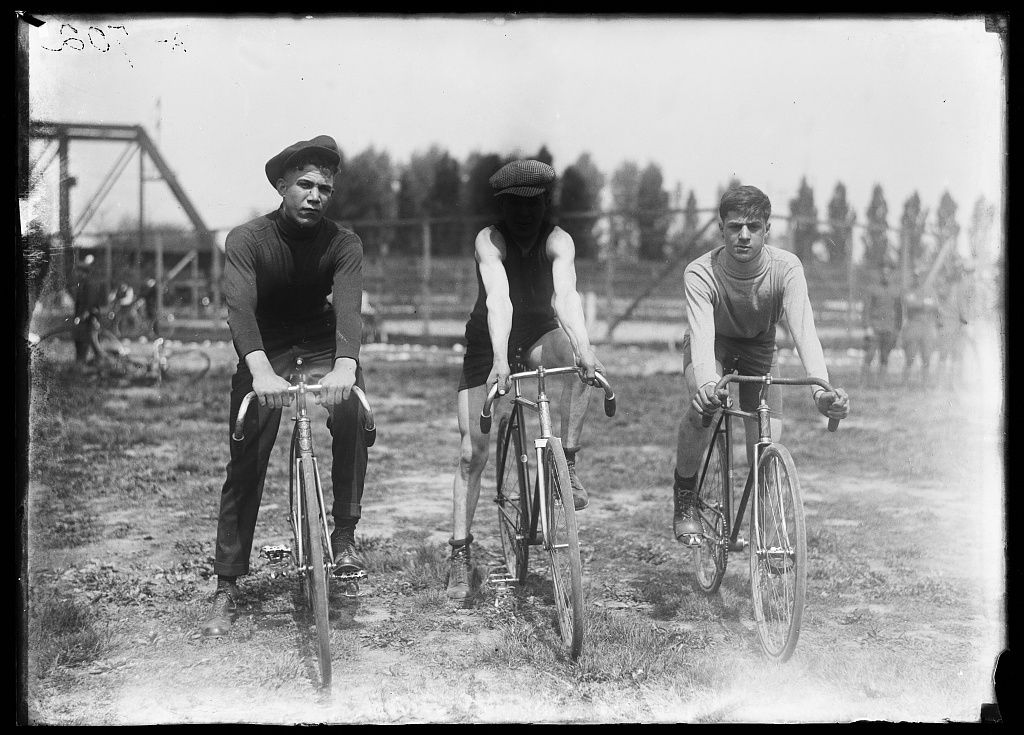
Sports and Recreation Tour: Capital Bicycle Club (1880-1928): Many DC residents spent their Sundays cycling in the nearby Shenandoah Valley of Virginia.
During the end of the 19th century, sports and recreation was growing in popularity in DC and on the rest of the East Coast. The increase in recreational opportunities was due to the rapid…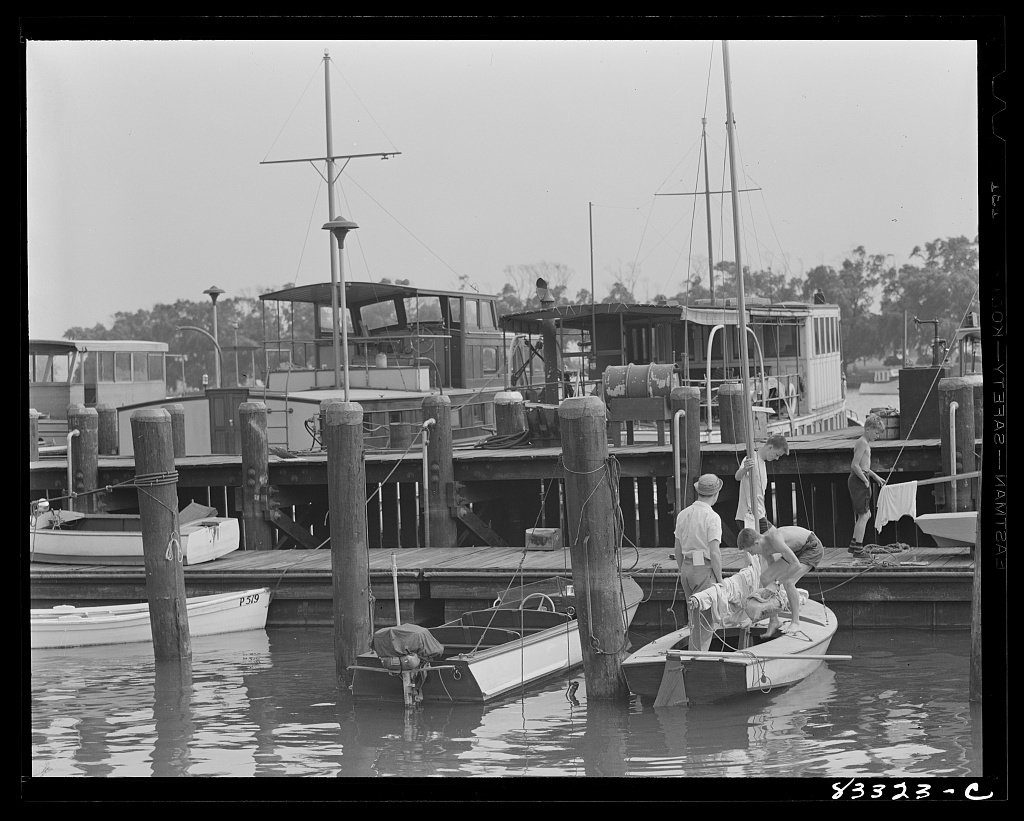
Sports and Recreation Tour: Capital Yacht Club (1892-1959): In 1892, the Capital Yacht Club was founded and enhanced the social and athletics scenes in the Southwest waterfront.
During the late 19th century, DC’s Southwest waterfront was growing rapidly and filled with fish wharves, municipal piers for tobacco and farm produce, ice and coal docks, towing companies, and…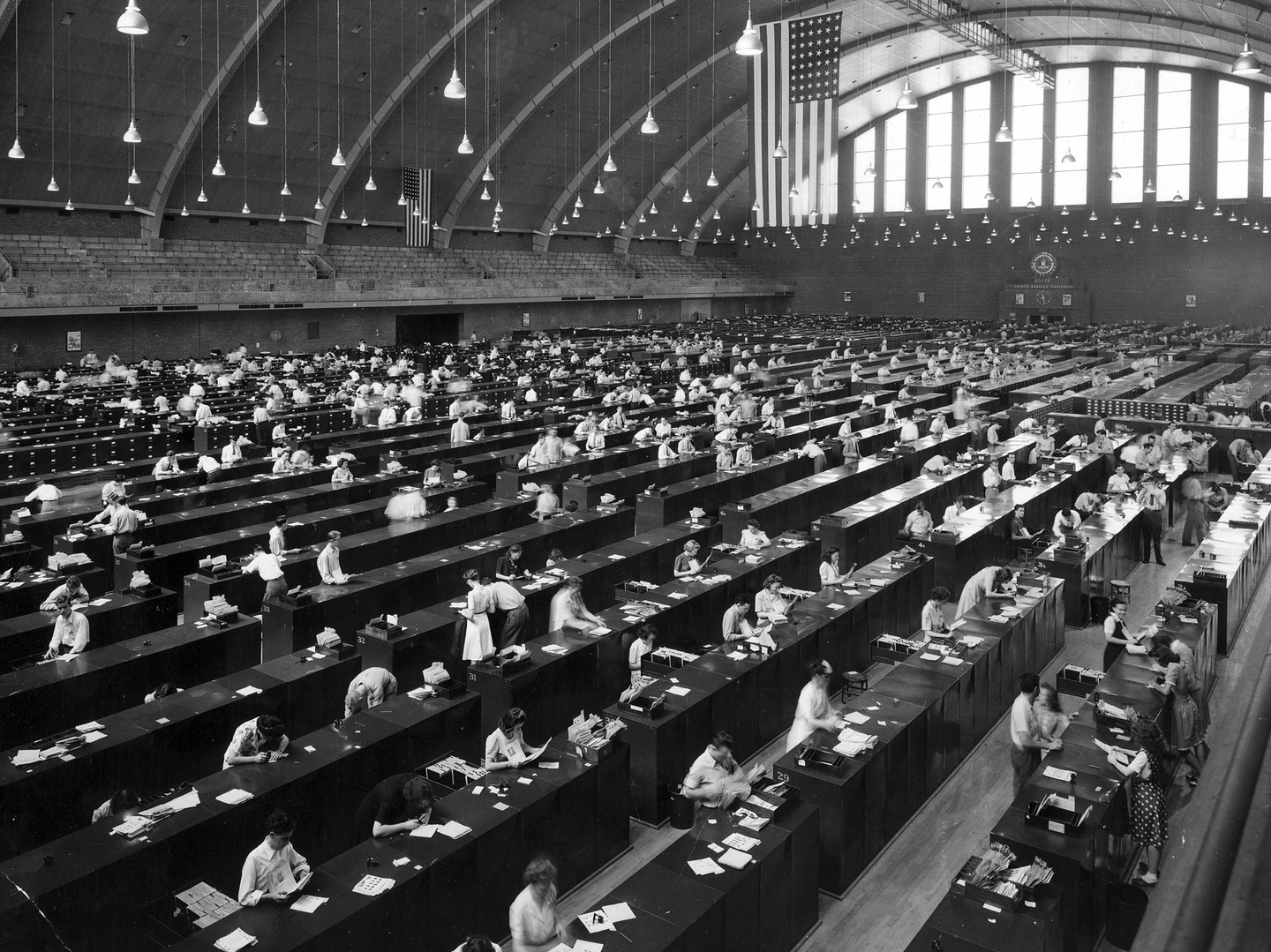
Sports and Recreation Tour: DC Armory: The DC Armory has hosted a range of events from sporting events to trade shows to inaugural balls.
The DC Armory opened in 1941 as a military training center. Designed by Nathan C. Wyeth, it was completed as a project by the Works Progress Administration (WPA) and was primarily a training facility…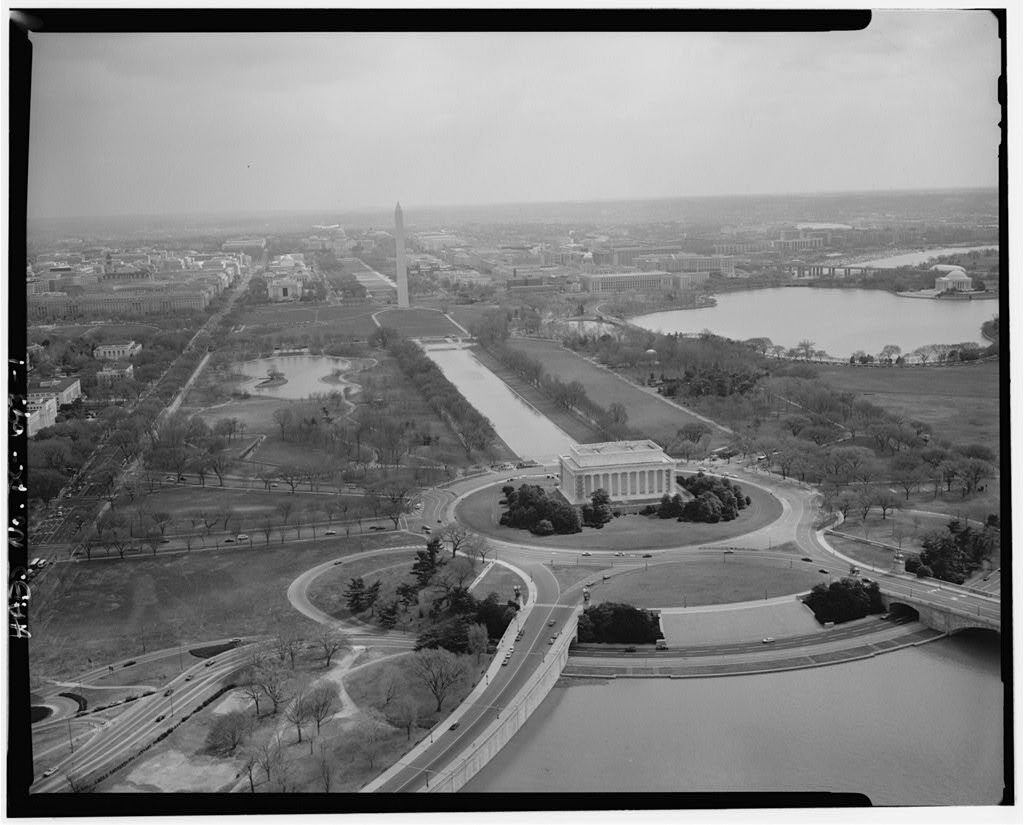
Sports and Recreation Tour: East and West Potomac Parks: The East and West Potomac Parks are iconic green spaces for sports and recreation in DC.
The East and West Potomac Parks are iconic green spaces for sports and recreation in DC. Many tourists also visit these parks, due to their proximity to the National Mall. East Potomac Park is the…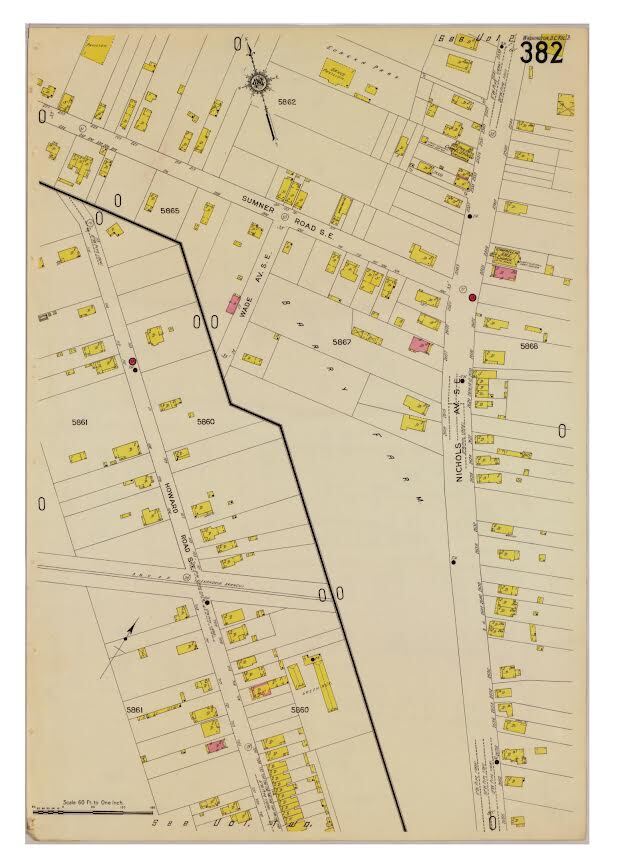
Sports and Recreation Tour: Eureka Park (1880-1925): This park was one of seven parks that served Black residents in Washington, DC, between 1880 and 1925.
Eureka Park, one of seven parks serving Black residents in Washington, DC, between 1880 and 1925, was a vibrant and popular recreational space. The park was accessible by streetcar and attracted…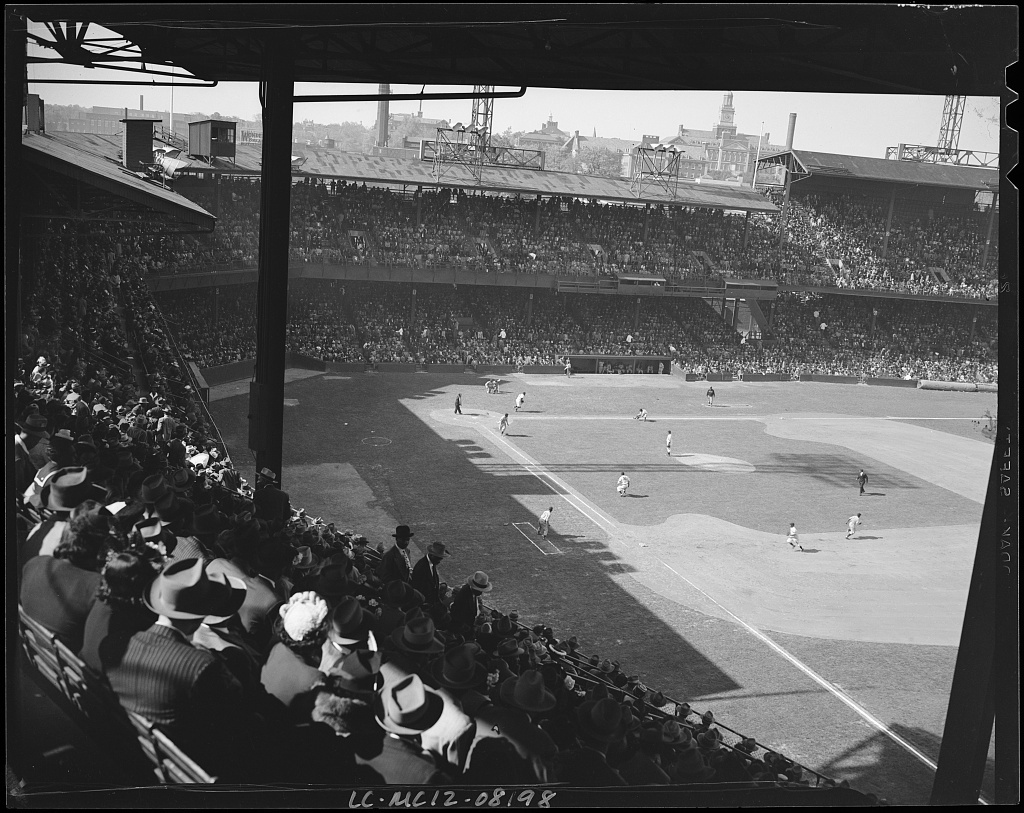
Sports and Recreation Tour: Griffith Stadium (1911-1965): Griffith Stadium was described as a no-frills stadium designed to be easily used for both baseball and football.
Griffith Stadium stood between Georgia Avenue and 5th Street NW from 1911 to 1965, and was the home stadium for some of DC's popular sports teams. Described as a no-frills stadium designed to be…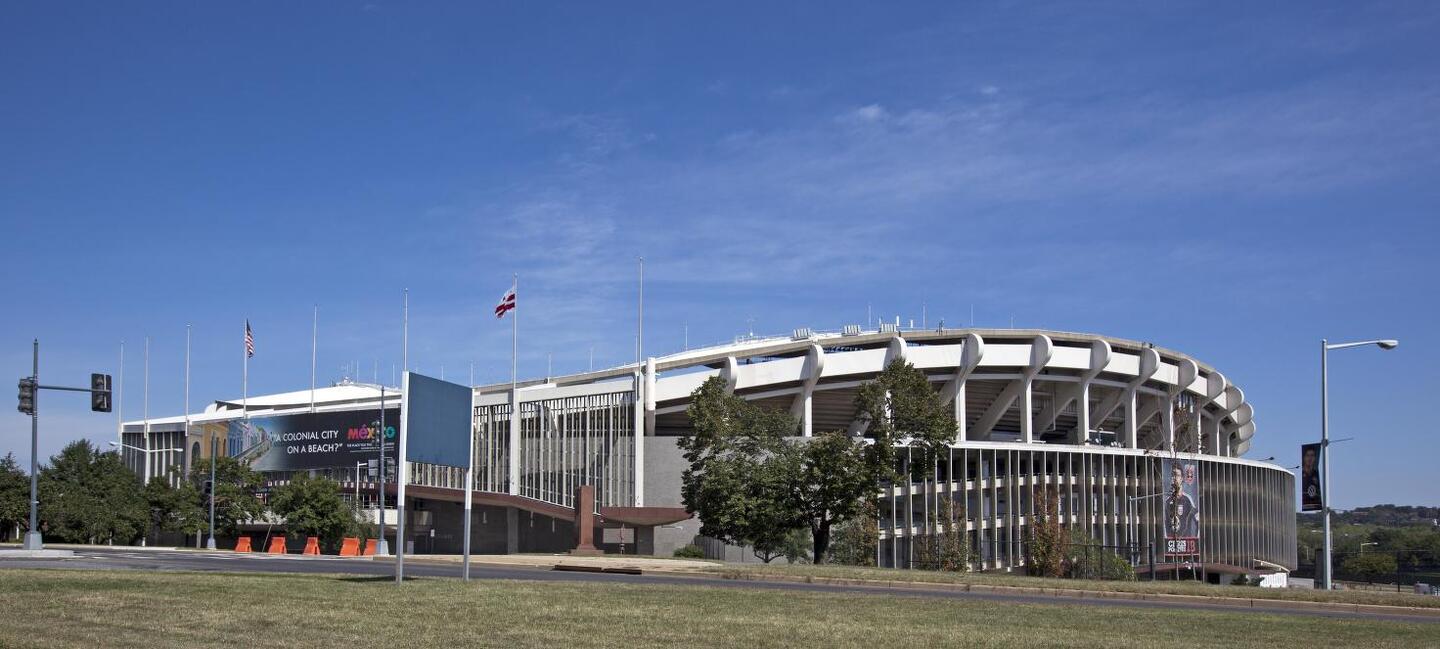
Sports and Recreation Tour: Robert F. Kennedy Stadium: RFK Stadium is best known as the longtime home of Washington’s football and baseball teams.
Opening as DC Stadium in 1961, this iconic venue was renamed for the late-Senator Robert F. Kennedy (RFK) in 1969, following his assasination the prior year. The stadium was illustrative of the types…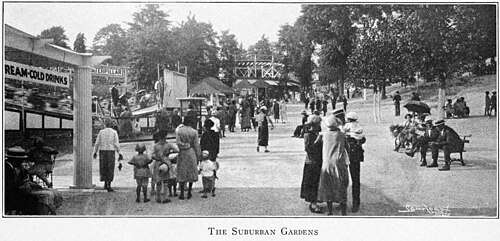
Sports and Recreation Tour: Suburban Gardens Amusement Park (1921-1932): At its peak, the park hosted over 20 concessionaires and featured a Miller & Baker roller coaster, a scenic railway, a Ferris wheel, a children’s playground, a dance pavilion, and picnic areas.
Suburban Gardens Amusement Park opened in Northeast Washington, DC, on June 25, 1921. This park was created specifically for Black residents and exclusively employed Black workers at a time of racial…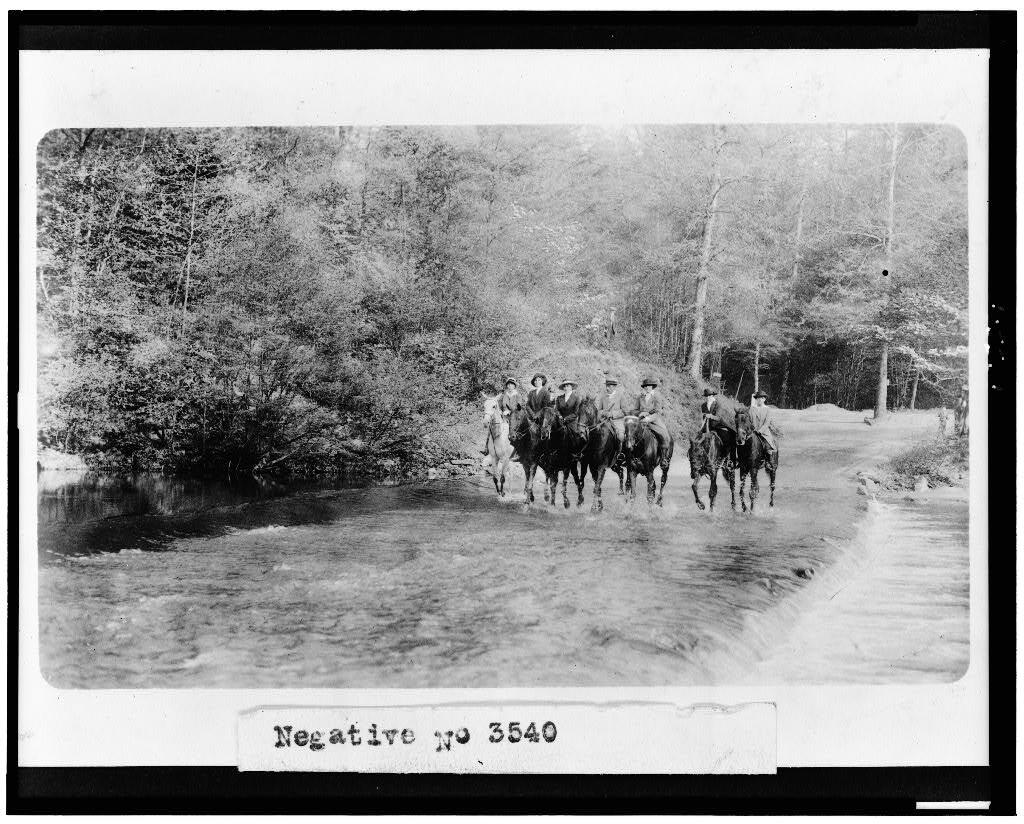
Sports and Recreation Tour: Washington Riding Academy (1888-1936): The Washington Riding Academy opened in 1888 and was located just outside of Rock Creek Park.
The Washington Riding Academy opened in 1888 and was located just outside of Rock Creek Park on P street NW. The building's facade was stuccoed brick and designed in a combination of Romanesque and…
Anthony Bowen YMCA (Twelfth Street YMCA): This was the first full-service metropolitan building erected for the African American YMCA, and one of the oldest of a remaining handful of locations.
The Anthony Bowen YMCA is home to the nation's first African American chapter of the Young Men's Christian Association. The building is four stories and reflects the Italian Renaissance Revival style.…
Banneker Recreation Center: Banneker Recreation Center is significant for its role as a focal point in the development of DC's Black community.
Named for Benjamin Banneker (1731-1806), the Black surveyor who worked with Andrew Ellicott (1754-1820) in surveying DC, the Banneker Recreation Center was the premier Black recreation center in a…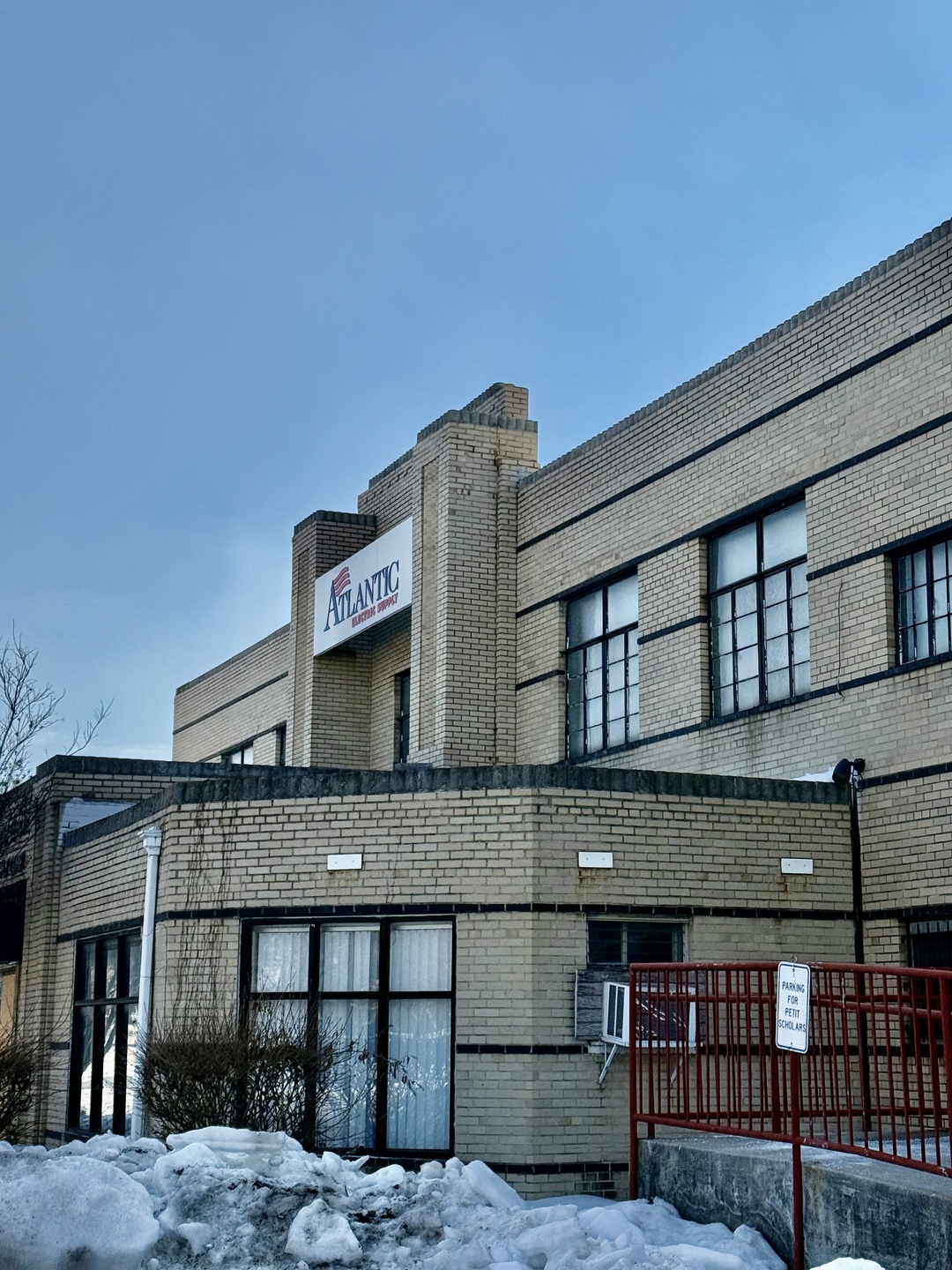
Brookland Bowling Alley: The Brookland Bowling Alley, with its distinctive Art Deco style, is a rare surviving bowling alley in the city.
The Brookland Bowling Alley was constructed in 1938-1939 for the Brookland Recreation Center, Inc. to accommodate lanes for duckpin bowling. The building’s designer was William Edward St. Cyr…
Chevy Chase Playground and Field House: Despite the playground's equipment and paving having been replaced, the property remains one of the earliest extant city playgrounds and park buildings in DC, considered in its time a model for other Depression-era parks.
In 1921, a United Citizens Playground Committee completed a study and recommended that the District Commissioners adopt a system of equitable distribution of playgrounds around the city, urging the…
Civil Rights Tour: Recreation - Anacostia Pool, Swimming for All: 1800 Anacostia Drive SE
As summer began in 1949, African American residents of far Northeast and Southeast looked forward to finally having access to a swimming pool on their side of the Anacostia River.
Civil Rights Tour: Recreation - Rosedale Playground: 1701 Gales Street NE
Rosedale Playground opened in 1913, yet it was restricted to whites only in a neighborhood where Black families had been living since the late nineteenth century. As the Black population in the neighborhood grew, this “public” facility became off-limits to an increasing number of area residents, including children who lived virtually next door to it.
Langston Golf Course Historic District: Langston Golf Course represents desegregation of public golfing and recreational facilities.
Opened in June 1939, the eighteen-hole golf course was named for John Mercer Langston (1829-1897), who was the first dean of the Howard University School of Law, the first president of Virginia Normal…
Lincoln Playground Field House: This playground field house is unique in its construction and in that it served African American children during the era of playground segregation in DC.
Built in 1934 and located on what is now the Joy Evans Recreation Center site, the Lincoln Playground Field House is one of the earliest purpose-built public recreation facilities remaining in a…
M.J. Uline Ice Company and Arena (Washington Coliseum): Established in connection with an ice company, Uline Arena became an important site for DC entertainment and culture.
The M.J. Uline Ice Company, manufacturer of ice for area residents and businesses, was founded by Miguel “Mike” Uline, who had to that point been the owner of a string of ice plants in Ohio. The main…
Mitchell Park Field House: Despite the playground’s equipment and paving having been replaced, the property remains one of the earliest extant city playgrounds and park buildings in DC.
Before 1930, some DC parks contained sheds to store equipment. The extant facilities from that era, however, include only buildings that were later repurposed for recreation use. But park…
Palisades Playground: The Palisades Playground is notable both as an archaeological site and a recreational center.
The Palisades Playground, established in 1922, is historically designated for the archaeologically documented evidence of prehistoric Native American occupation over thousands of years, as well as for…
Park View Playground and Field House: The Park View Playground was a significant site of desegregation efforts in DC.
The Park View Playground, designed by DC Municipal Architect Albert L. Harris, is most notable for its association with community efforts to end segregation in DC's playgrounds. Although the Park View…
Phyllis Wheatley YWCA: Established in 1905 by African American women, the Phyllis Wheatley YWCA has been a continuous support system and advocate for its community.
The oldest “Y” in DC, the Phyllis Wheatley YWCA (Young Women’s Christian Association) was established in 1905 by African American women and named after Phyllis Wheatley, an enslaved woman and famous…
Potomac Boat Club: Built in 1908, this Craftsman style building is the home of the long-running Potomac Boat Club.
The Potomac Boat Club, constructed in 1908 and designed in the Craftsman style, is one of two remaining early 20th century boat clubs along the Potomac River in the District of Columbia. Along with…
Rock Creek Park Historic District: This natural reserve tucked inside the District of Columbia is an urban refuge for wildlife and a recreational asset for the city.
Located in the Northwest quadrant of Washington D.C., the 1,754.62-acre property of Rock Creek Park Historic District is roughly bounded by 16th Street on the east, Oregon Avenue and Branch Road on…
Seafarers Yacht Club: This 1945 yacht club is the oldest operational Black boating club in the United States.
Established in 1945 by mariner Lewis Thomas Green, the Seafarers Yacht Club became one of the first community spaces for black boaters in Washington, DC. Green began building his own boats around the…
Twin Oaks Playground and Field House: Twin Oaks Playground has provided a space for Petworth children to play for decades.
Twin Oaks Playground was established in 1920 to serve the rapidly growing rowhouse community of Petworth. Originally, Twin Oaks was little more than fenced lawns, with a clay tennis court on the…
The University Club of Washington, DC: Over the years, the club would see many prominent members, including General Pershing and Chief Justice Taft.
Built in 1921, the University Club of Washington, DC, is a still-standing testament to the ever-evolving social scene of Washington. Originally constructed for the Racquet Club (organized in 1919),…
Washington Canoe Club: The Washington Canoe Club has been a distinctive landmark on the Georgetown waterfront since 1905.
The Washington Canoe Club was founded and constructed in 1904 and is an excellent example of Shingle style architecture, which was popular during the early 20th century. The club is one of two extant…
Washington Yacht Club: The Washington Yacht Club serves as a steward of the Anacostia community and proudly welcomes all.
The Washington Yacht Club (WYC) was founded in 1910 by a group of white Washingtonian boaters, looking to establish affordable facilities along the Anacostia River in proximity to their homes on the…Tour curated by: Claire Fergusson and DC Preservation League