2025 Landmarks in Review
In 2025, seven historic landmarks were added to the DC Inventory of Historic Sites — five of which were sponsored or co-sponsored by the DC Preservation League (DCPL). In addition to these five landmarks, DCPL sponsored a nomination amendment to the Mount Pleasant Historic District designation, and co-sponsored, with the Art Deco Society of Washington, an amendment to the Greyhound Bus Terminal designation.
In February, the John Joseph Earley House at 1710 Lamont Street NW in Mount Pleasant was designated by the Historic Preservation Review Board (HPRB). This nomination was co-sponsored by DCPL and the homeowners, Raymond DiPhillips and David Alfuth, and included an interior designation for most of the residence's first floor. The property has since been added to the National Register of Historic Places.
In May, two new landmarks were designated by HPRB: the Euram Building, a Modernist office building at 21 Dupont Circle designed by Hartman-Cox Architects, and the Latin American Youth Center (LAYC), a rowhouse building at 3045 15th Street NW important to Washington's Latino community. Also in May, additional documentation was added to the Mount Pleasant Historic District designation, which became a historic district in 1987. The additional documentation includes Latino social history between 1962 and 1991. The designation of LAYC and the additional documentation for Mount Pleasant resulted from The History of the Latino Community of Washington, D.C. 1943-1991 historic context study (2025). The study and nominations were funded through the National Park Service's Underrepresented Communities Grant Program.
In July, Marist College, also known as Marist Hall and located on the campus of The Catholic University of America, was designated by HPRB, and has since been added to the National Register. In October, after pending with HPRB for nearly a decade, DCPL's nomination for Holy Name College and the James Sherwood Farmhouse at 1400 Shepherd Street NE in Brookland was approved by HPRB. The following month, the nomination amendment for the Greyhound Bus Terminal at 1100 New York Avenue NW was approved by HPRB. The historic landmark now includes important documentation related to the terminal's social history, as well as an interior landmark designation (see above story).
Throughout 2025, four other properties were officially added to the DC Inventory and/or National Register: Randle Highlands School (1650 30th Street SE); the U.S. Naval Observatory, U.S. Naval Observatory and Hydrographical Office (within the U.S. Naval Observatory); the World War I Memorial at Pershing Park (14th Street and Pennsylvania Avenue NW); and Francis Junior High School (2425 N Street NW).
Sites 10
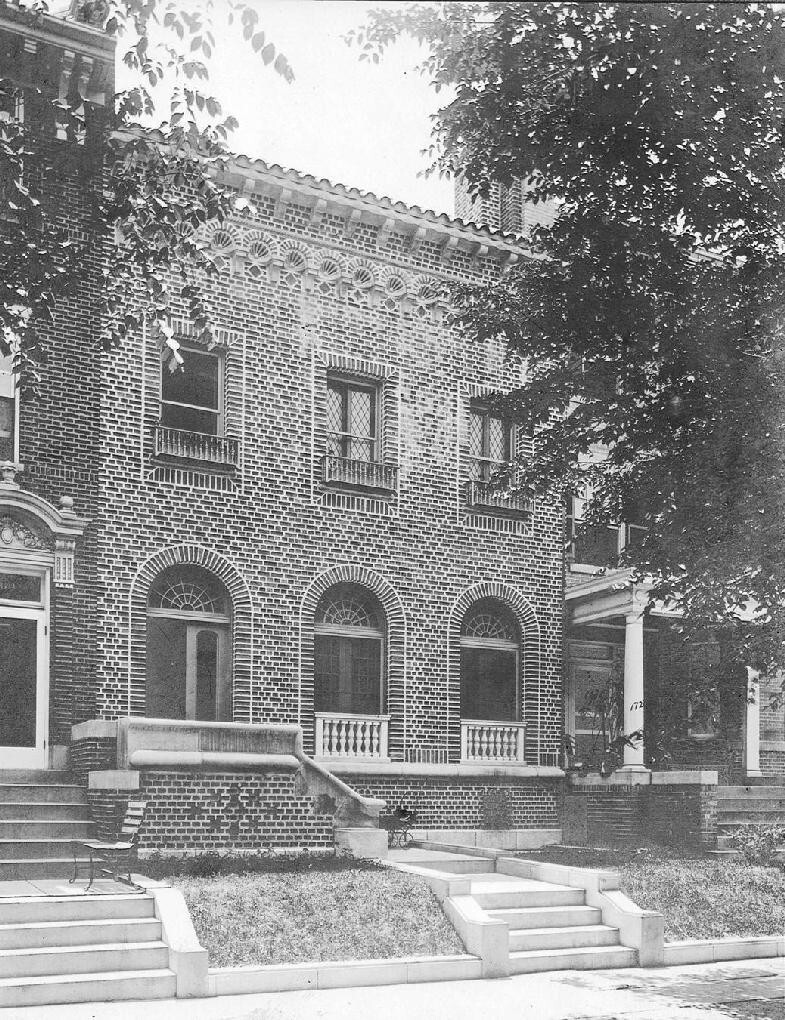
John Joseph Earley House (including Interior Spaces): This was the longtime residence of sculptor John J. Earley, who created the “Earley Process” for formulating colorful aggregate-based concrete.
This two-story rowhouse within the Mount Pleasant Historic District was designed by prolific DC architect Waddy B. Wood (Wood, Donn & Deming) and constructed by John H. Nolan for self-described…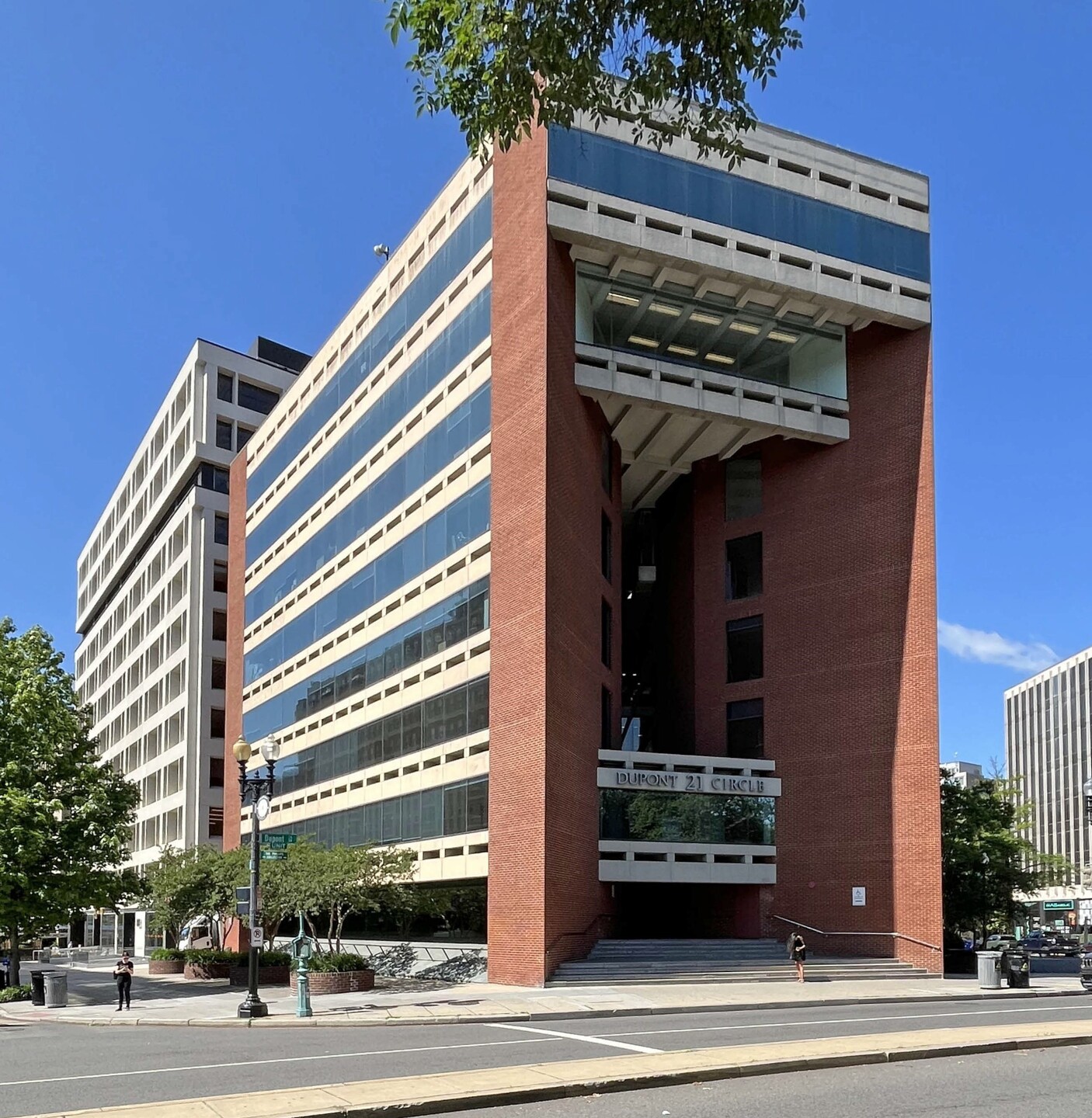
Euram Building: Since its construction in the early 1970s, this office building has received widespread praise for its innovative design.
The Euram Building, completed in 1971, is a Modernist office building designed by George Hartman and Warren Cox of the major Washington firm of Hartman-Cox Architects. Since its construction by the…
Latin American Youth Center (LAYC): Constructed as a parsonage in 1915, this building is significant for its time as the Latin American Youth Center from 1974 to 1998.
This three-story, Neoclassical Revival style rowhouse in Columbia Heights was designed by Appleton P. Clark, Jr. and completed in 1915 as a parsonage (or manse) for the reverend of the neighboring…
Mount Pleasant Historic District: Mount Pleasant remains one of the most diverse neighborhoods in the District and serves as a testament to the resilience of culture and community in the face of adversity.
The Mount Pleasant Historic District is a cohesive residential district illustrating the growth and development of one of Washington, DC’s first suburbs. Its significance lies in the visual character…
Marist College (Marist Hall): This Romanesque Revival style building on the campus of the Catholic University of America is one of many historic seminaries in Brookland’s “Little Rome.”
Marist Hall began as Marist College and served as a hub of advanced studies for the Society of Mary, one of the earliest Roman Catholic religious orders. The Society of Mary was legally incorporated…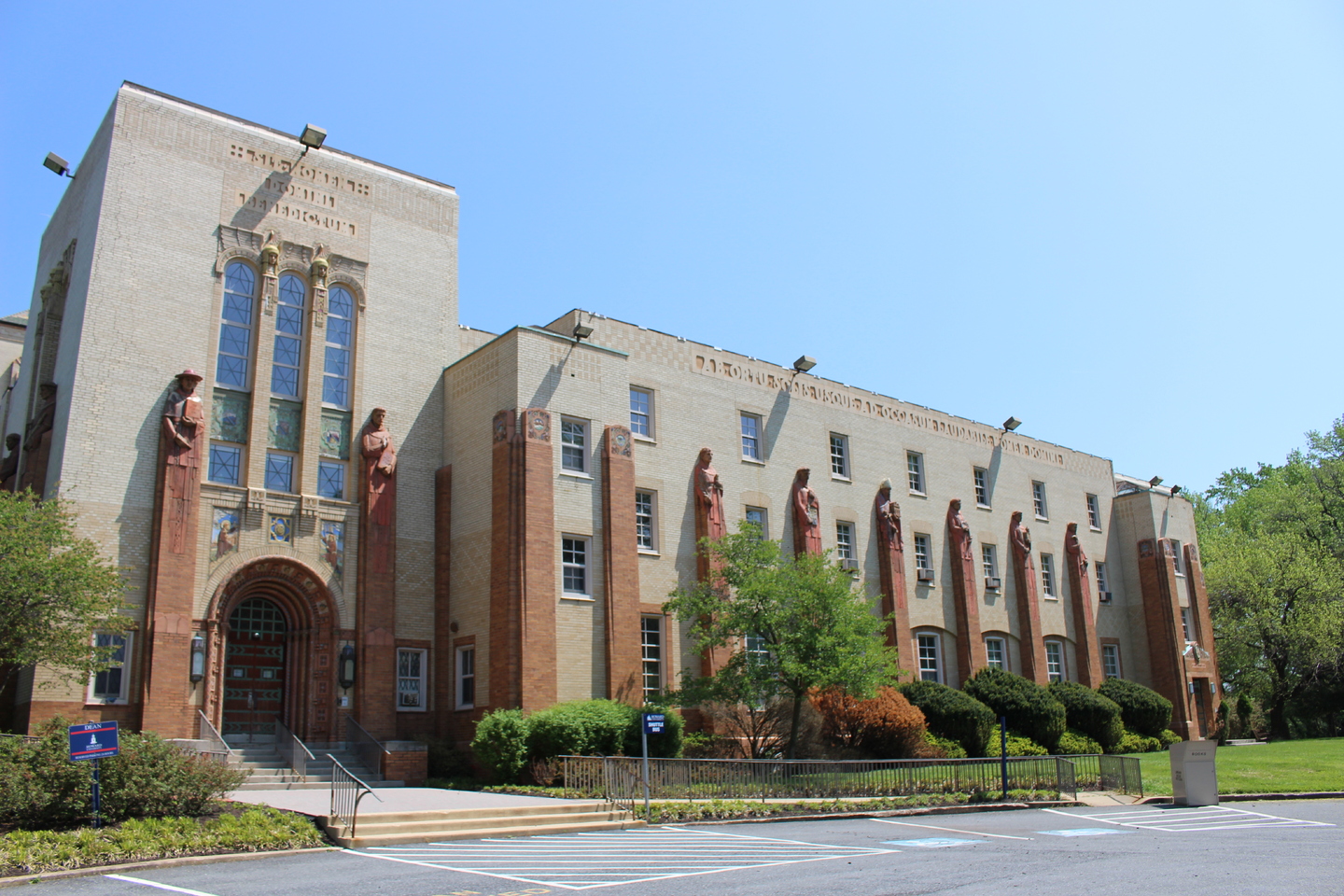
Holy Name College (and James Sherwood Farmhouse): This 10-acre landmark includes an 1880s Queen Anne style farmhouse and a 1930s Romanesque Revival/Art Deco style college building.
Holy Name College and the James Sherwood Farmhouse sit on 10-acres in the Brookland neighborhood. The two-story, wood-frame farmhouse was completed by farmer James Sherwood in 1886 within what had…
Greyhound Bus Terminal (including Interior Lobby and Waiting Room): This Streamline Moderne former bus terminal is notable for both its design and its role in the Freedom Rides.
The Greyhound Bus Terminal, completed in 1940, is a classic Art Deco/Streamline Moderne landmark, with a design aesthetic that epitomizes the promise of the industrial age as the hope for the future.…
Randle Highlands School: This school was designed in a Tudor and Elizabethan Revival style by Snowden Ashford, the city’s first Municipal Architect.
The Randle Highlands School, built between 1911 and 1912, is strongly associated with the history of the District’s public schools, and its construction in the early 20th century was due to the need…
United States Naval Observatory (USNO) Historic District: The USNO is the only American institution devoted to positional astronomy and timekeeping.
The United States Naval Observatory (USNO) Historic District is encompassed by Observatory Circle and Massachusetts Avenue NW, and corresponds to a period of significance dating from 1887 to 1973. The…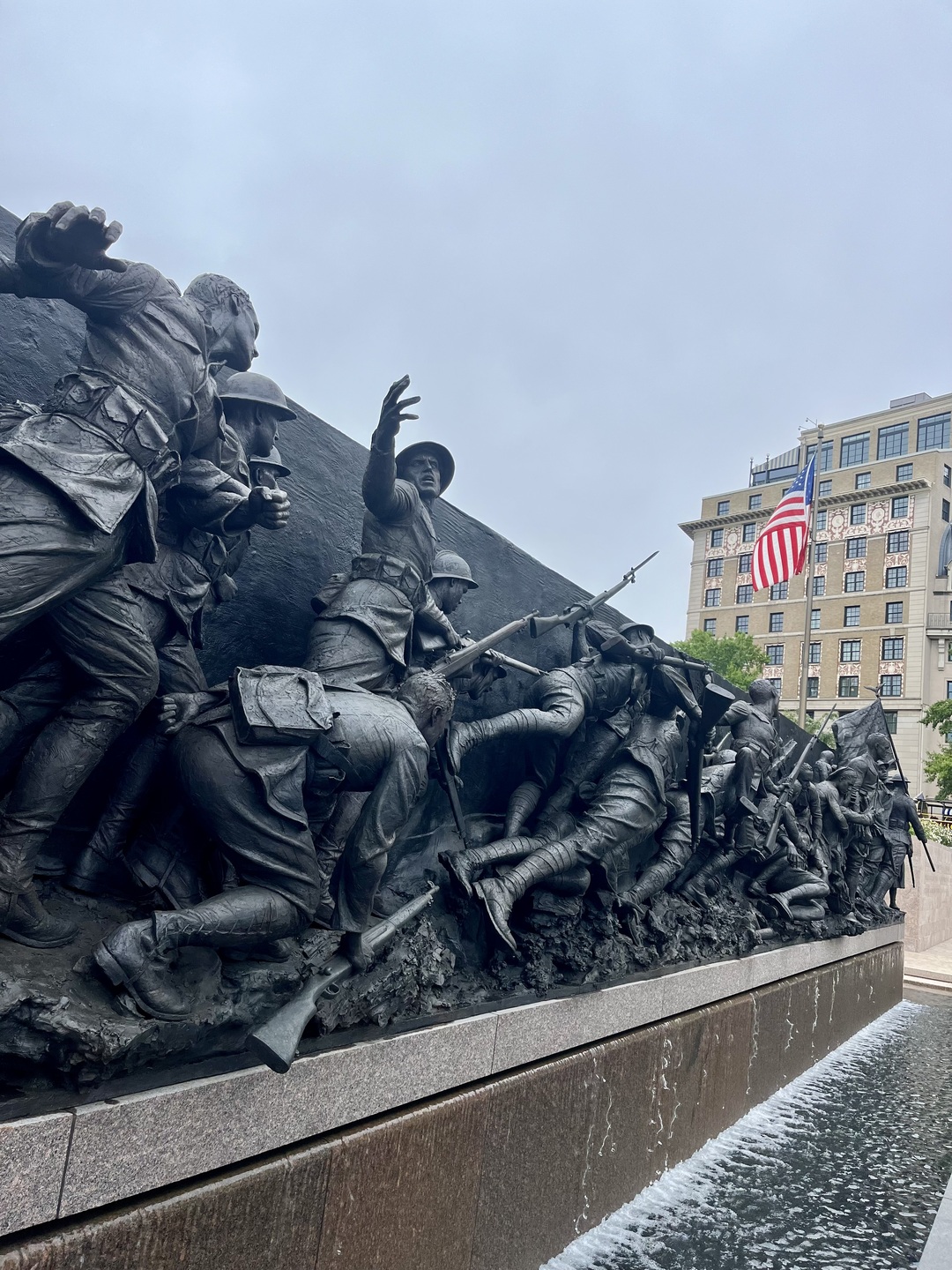
World War I Memorial at Pershing Park: This Modernist park plaza on Pennsylvania Avenue NW includes both the General Pershing Memorial and the World War I Memorial.
Pershing Park, which sits in the middle of Pennsylvania Avenue NW between 14th and 15th streets, is a Modernist park plaza designed by landscape architect M. Paul Friedberg and constructed in 1980 to…Tour curated by: DC Preservation League