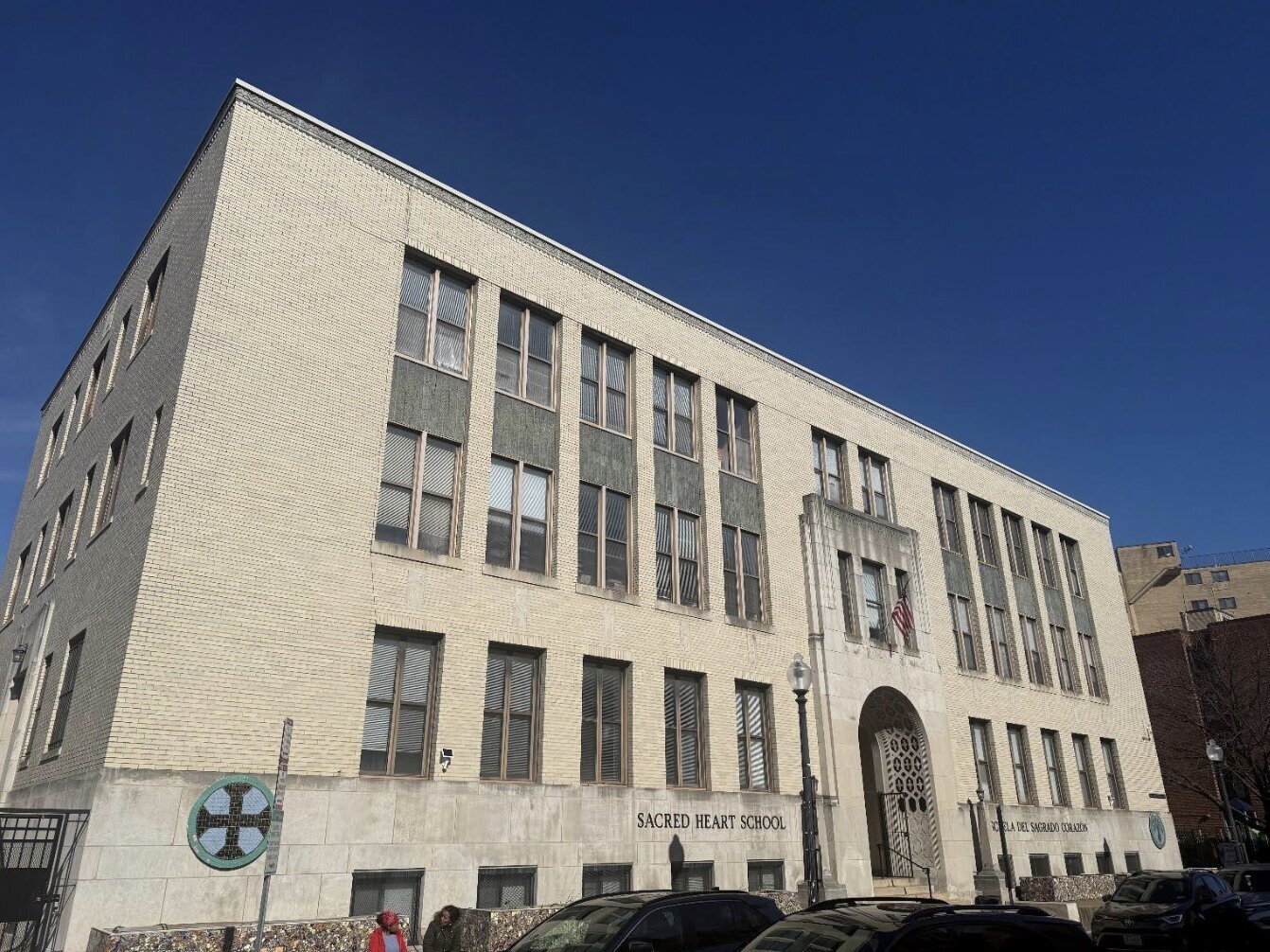
Mount Pleasant Historic District: Mount Pleasant remains one of the most diverse neighborhoods in the District and serves as a testament to the resilience of culture and community in the face of adversity.
Text
The Mount Pleasant Historic District is a cohesive residential district illustrating the growth and development of one of Washington, DC’s first suburbs. Its significance lies in the visual character of its architecture, its successful adaptation of traditional urban design to the natural hilly terrain, and its historical and cultural importance, which has been well documented by its residents for over 100 years. Mount Pleasant originated with the large land patents of the 1700s. Located on a high plain extending from Rock Creek east across to present-day 13th Street NW, far from the swamps and marshes of the District’s basin, the beautiful wooded area was easily recognized for its contribution to an idyllic lifestyle isolated from the bustle of the city’s core. The neighborhood’s charm is further reflected in its historic architecture with landmarks such as Ingleside, a grand Italian Villa style residence designed by the American architect Thomas Ustick Walter. But with Washington, DC’s growth, the advent of the electric streetcar in 1888, and the maturing of Mount Pleasant’s own community resources, the area urbanized quickly, and by the 1920s, Mount Pleasant was densely developed. Following Mount Pleasant’s development from wooded suburbia to dense urbanization was the co-occurring transition of the neighborhood’s demographics from a solidly white middle class, due to racially discriminatory deeds, to a diverse community of African Americans, refugees, and Latino immigrants. From the 1960s to the 1990s, Mount Pleasant and the surrounding neighborhoods evolved to become the epicenter of Latin American presence in the Nation’s Capital. With time, Latin American shops, services, bodegas, and restaurants began to line the streetscape of Mount Pleasant Street. Public spaces such as La Esquina, or the street corner, created a space for community building, as it was often populated by Salvadoran men and women playing chess or checkers. Soon, the Latin American experience was firmly woven into the fabric of the city that continues to exist today despite physical and social damage created by the 1991 Mount Pleasant riots. The 1991 riots began after a DC police officer shot Daniel Gomez, an El Salvadoran immigrant, following a Cinco de Mayo celebration. Public outcry ensued, and for the next few days, trash cans were torched, stores were looted, and hundreds of migrants and Latin American youths were arrested. Since the tragic events of 1991, social and political reforms have taken place, all of which have since confirmed the existence and significance of Latin American culture in Mount Pleasant. In terms of the built environment, the historic district contains approximately 1100 buildings, dating from about 1870 to 1949. Large revival-style residences command some of the neighborhood’s most stunning views, reflecting affluence and prestige, while carefully sited row houses, exemplified by the John Joseph Earley House, seamlessly blend with the hilly terrain. The area’s rapid 20th-century growth was marked by building stately apartment buildings, and its origins as a quaint Victorian village are preserved in the charming 19th-century wood-frame houses. All of these architectural styles and forms coexist in a neighborhood whose visual footprint reflects the intrinsic cultural diversity that is Mount Pleasant.
DC Inventory: October 15, 1986 (effective October 26, 1987)DC Inventory (Additional Documentation): May 1, 2025
National Register: October 5, 1987
National Register (Additional Documentation): June 18, 2025
Files

Mt. Pleasant neighborhood, located on Mt. Pleasant St. near intersection with Lamont St., NW, Washington, D.C., 2010
Highsmith, Carol M, photographer. Mt. Pleasant neighborhood, located on Mt. Pleasant St. near intersection with Lamont St., NW, Washington, D.C. 2010. Image. Retrieved from the Library of Congress, https://www.loc.gov/item/2010641429/. (Accessed December 08, 2016.)
Mount Pleasant Historic District, circa 1987

Mount Pleasant Historic District, circa 1987

Mount Pleasant Historic District, circa 1987

Mount Pleasant Historic District, circa 1987

Mount Pleasant Historic District, circa 1987

Mount Pleasant Historic District, circa 1987

Mount Pleasant Historic District, circa 1987

Mt. Pleasant neighborhood, located on Mt. Pleasant St. near intersection with Lamont St., NW, Washington, D.C., 2010
Highsmith, Carol M, photographer. Mt. Pleasant neighborhood, located on Mt. Pleasant St. near intersection with Lamont St., NW, Washington, D.C. 2010. Image. Retrieved from the Library of Congress, https://www.loc.gov/item/2010641427/. (Accessed December 08, 2016.)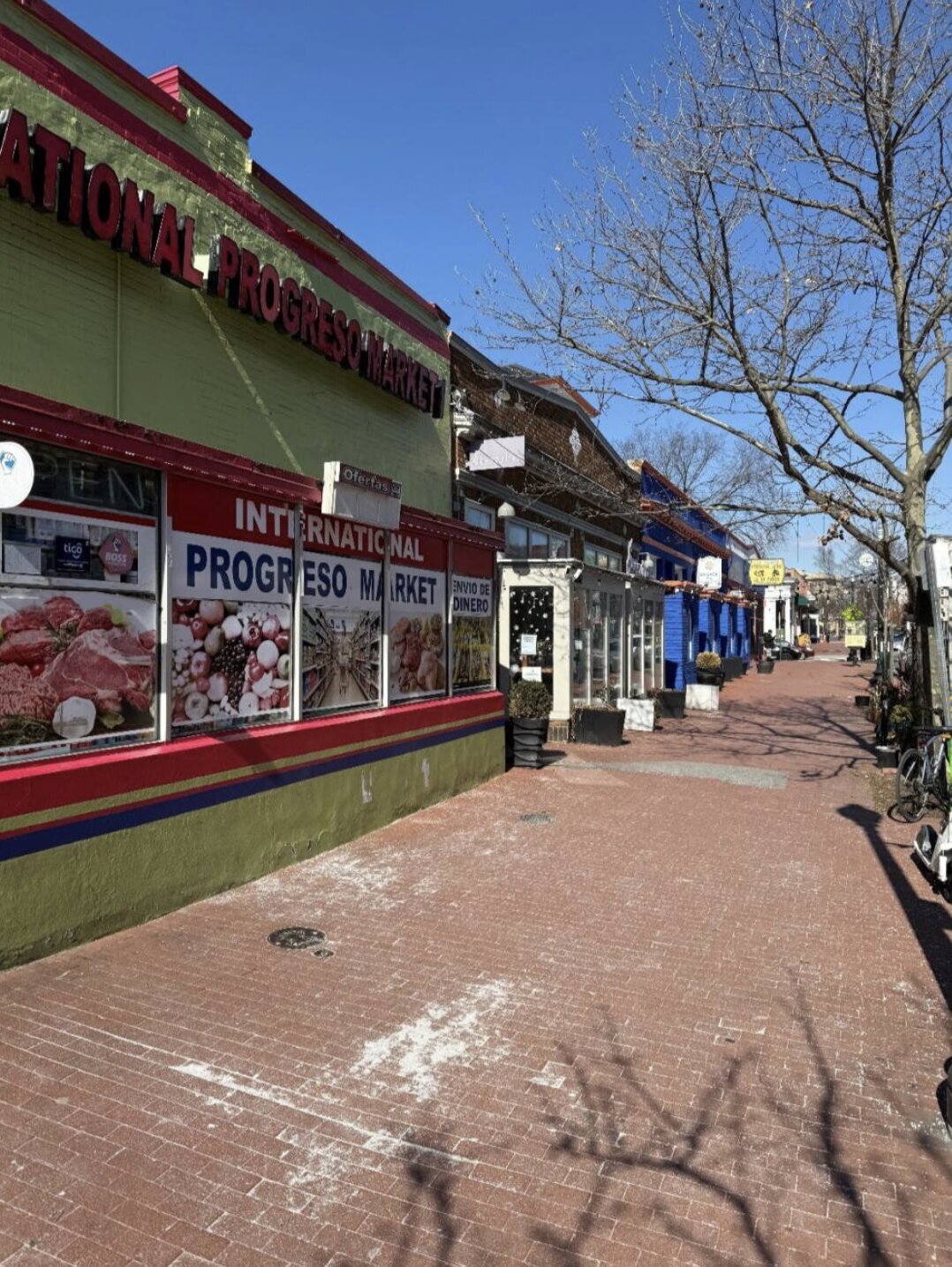
El Progreso, 3158 Mount Pleasant Street NW
El Progreso, 3158 Mount Pleasant Street NW (Zachary Burt, February 2025). Retrieved from Mount Pleasant Historic District Additional Documentation February 2025.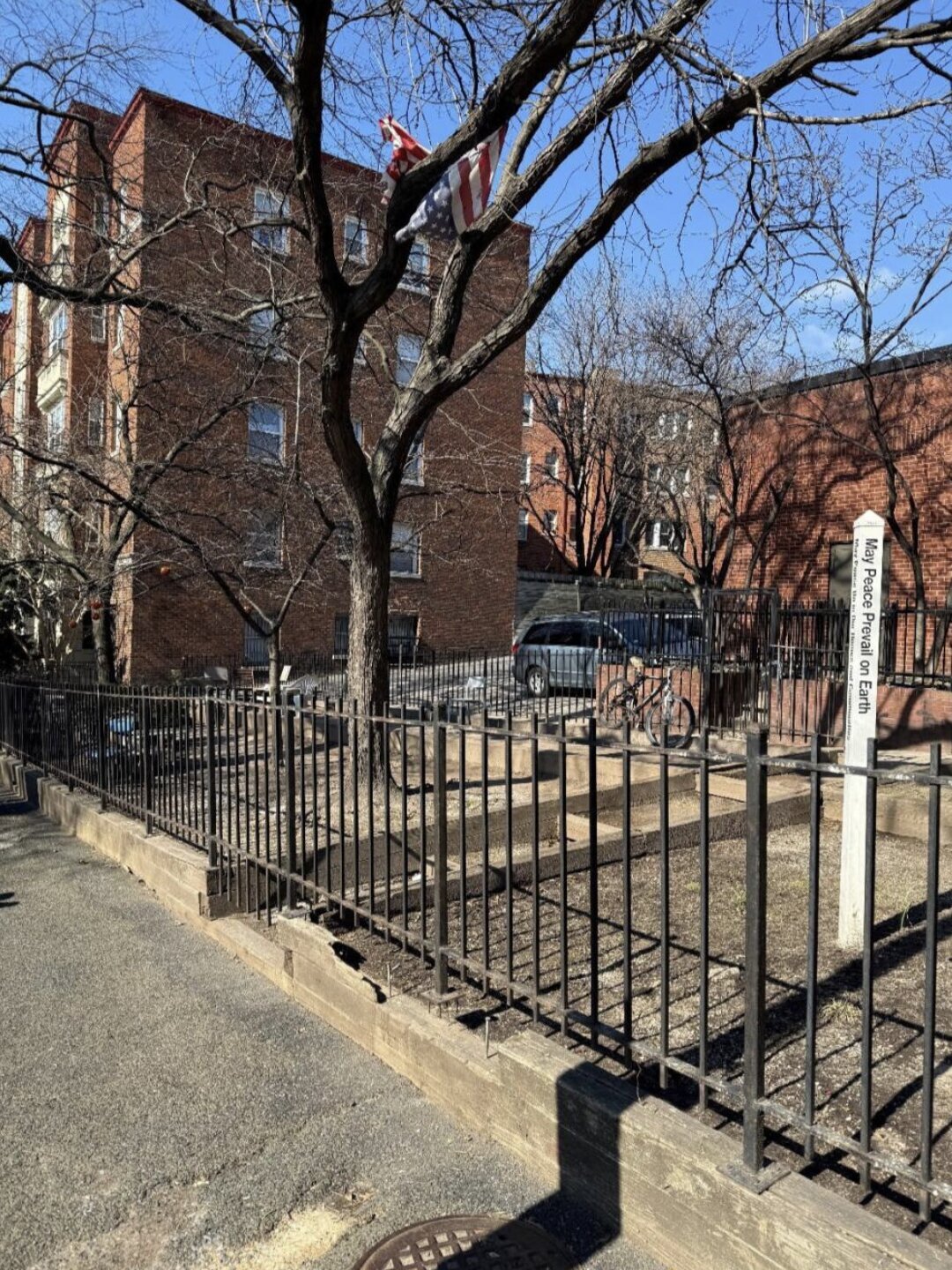
La Esquina at Mount Pleasant and Kenyon Streets NW
La Esquina at Mount Pleasant and Kenyon Streets NW (Zachary Burt, February 2025). Retrieved from Mount Pleasant Historic District Additional Documentation February 2025.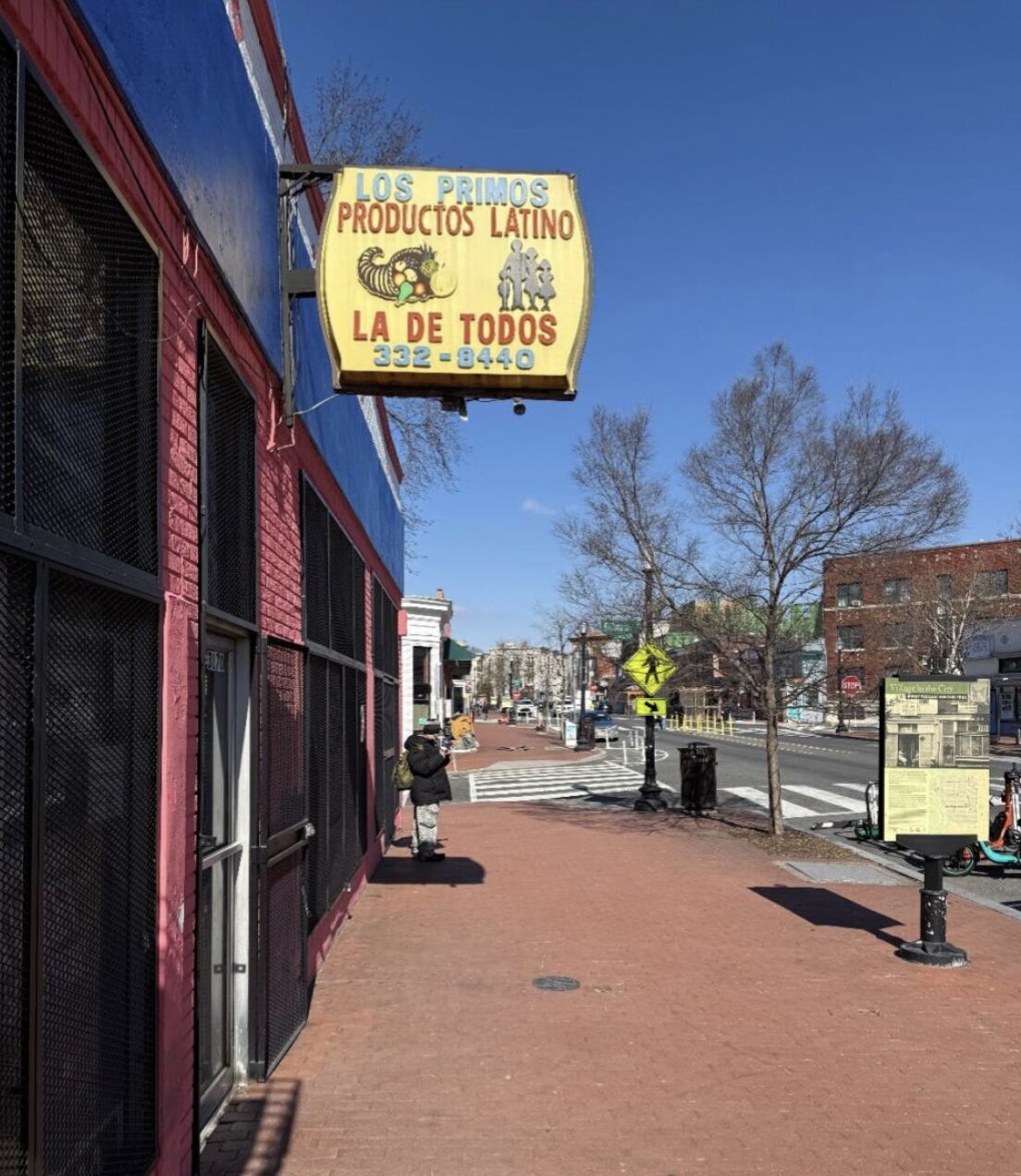
Los Primos Signage Above Sidewalk, 3170 Mount Pleasant Street NW
Los Primos Signage Above Sidewalk, 3170 Mount Pleasant Street NW (Zachary Burt, February 2025). Retrieved from Mount Pleasant Historic District Additional Documentation February 2025.